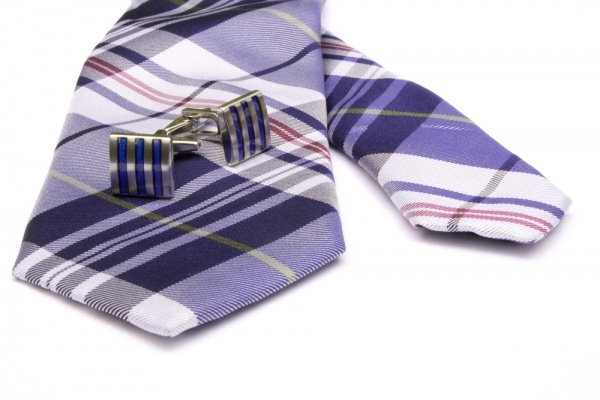
Certain accessories have fallen by the wayside as fashion gives way to practicality, or new eccentricities. Things like detachable collars, shirt studs, button plackets, and even pocket squares have been all but abandoned for the sake of convenience and a changing of the guard.
However, some of these items are slowly but surely reappearing. While things like detachable collars are probably gone for good, pocket squares, French cuffs, and cufflinks are making a return into men’s fashion forefront.
Unfortunately, after such a long absence from the scene, many men are confused about what to look for in a cufflink and when to wear them. EveryGuyed is here to clear up any cufflink confusion, and help you add a touch of class to your ensemble.
The French Cuff Shirt
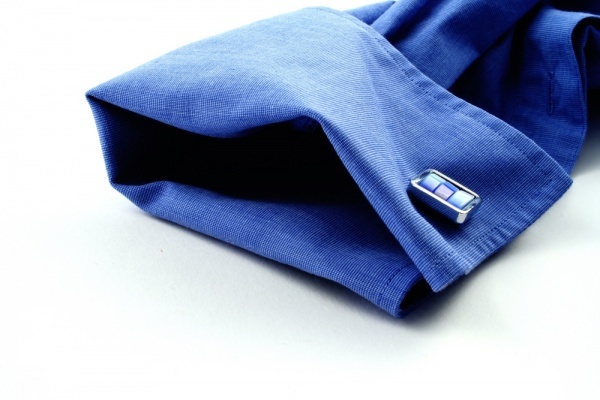
Cufflinks are designed for wearing with French cuff shirts. As opposed to most everyday shirts that are equipped with button cuffs, French cuffs are a lengthened piece of fabric folded back on itself to create a cuff: a more formal option, these shirts have no cuff fasteners, and as such need cufflinks to be held in place.
Though button cuff shirts are more convenient, a French cuff shirt adds a very urbane, high-class element to your look. The cuffs are folded either as kissing cuffs, forming a teardrop shape, or barrel cuffs, with the cuffs overlapping like on your standard button cuff shirts. Kissing cuffs are more common, but barrel cuffing your shirt is no faux pas either; it’s really up to personal preference and what you feel looks best.
Types of Cufflinks
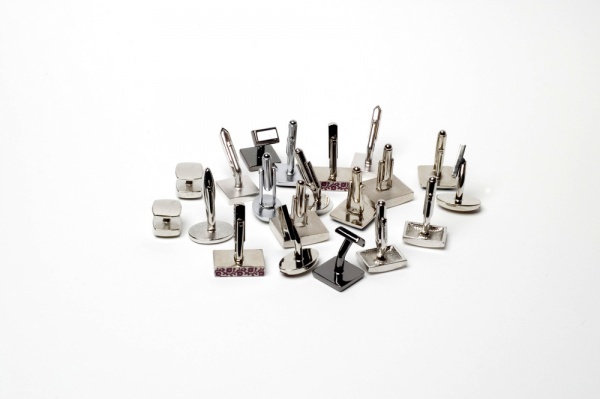
There are two types of cuff fasteners used today: cufflinks, and silk knots. Cufflinks are the most formal, common, and traditional type of cuff fastener; made of steel, gold, or other precious metals, they add a touch of understated class to an outfit. There are essentially four types of cufflinks:
Torpedo cufflinks
The most common, available at nearly any and every men’s retailer. They’re made of a decorative face, backed by a plain clip to keep them in place. Just push them through, and snap the clip into place.
Chain link cufflinks
A more formal choice. Made of two decorative faces connected by a chain, they’re not commonly seen in everyday wear anymore. Usually paired with black-tie, they’re limited by availability and often, occasion. If you need a pair, you’re likely going to need to buy them as part of a stud set.
Bar cufflinks
The simplest of all, involving two decorative balls connected by a bar. The halves are usually very plain, but sometimes include striped or pallet-shaped designs. Unlike chain and torpedo cufflinks, there are no moving parts here, making them a very simple push-through cuff fastener.
Silk knots
Also known as monkey’s fists, are a more low-maintenance option. Silk knots are strands of elastic, tied to form two equal knots joined together. No longer made of silk due to reasons of cost and durability, newly purchased French cuff shirts usually come with a pair in the cuffs as placeholders.
A perfectly acceptable choice for day-to-day wear, they should be left at home on dressier occasions. Available in a variety of colors, use them to compliment your necktie, or pocket square for an extra bit of flair.
Additional Cufflink Advice
- A French cuffed shirt is traditionally only worn beneath a suit. The cuffs are awkward underneath cardigans, and their formality doesn’t match a sportcoat’s casual nature.
- Metals on your body should match – and this includes cufflinks. If your belt buckle’s gold, your cufflinks should have gold elements as well.
- Avoid novelty designs on cufflinks; this is an element of more formal style.

Leave a Reply